Unlisted Drivers In NC, Am I Covered For An Auto Accident?
🚗 An Unlisted Driver Wrecked My Car.
Am I Covered? 🤔
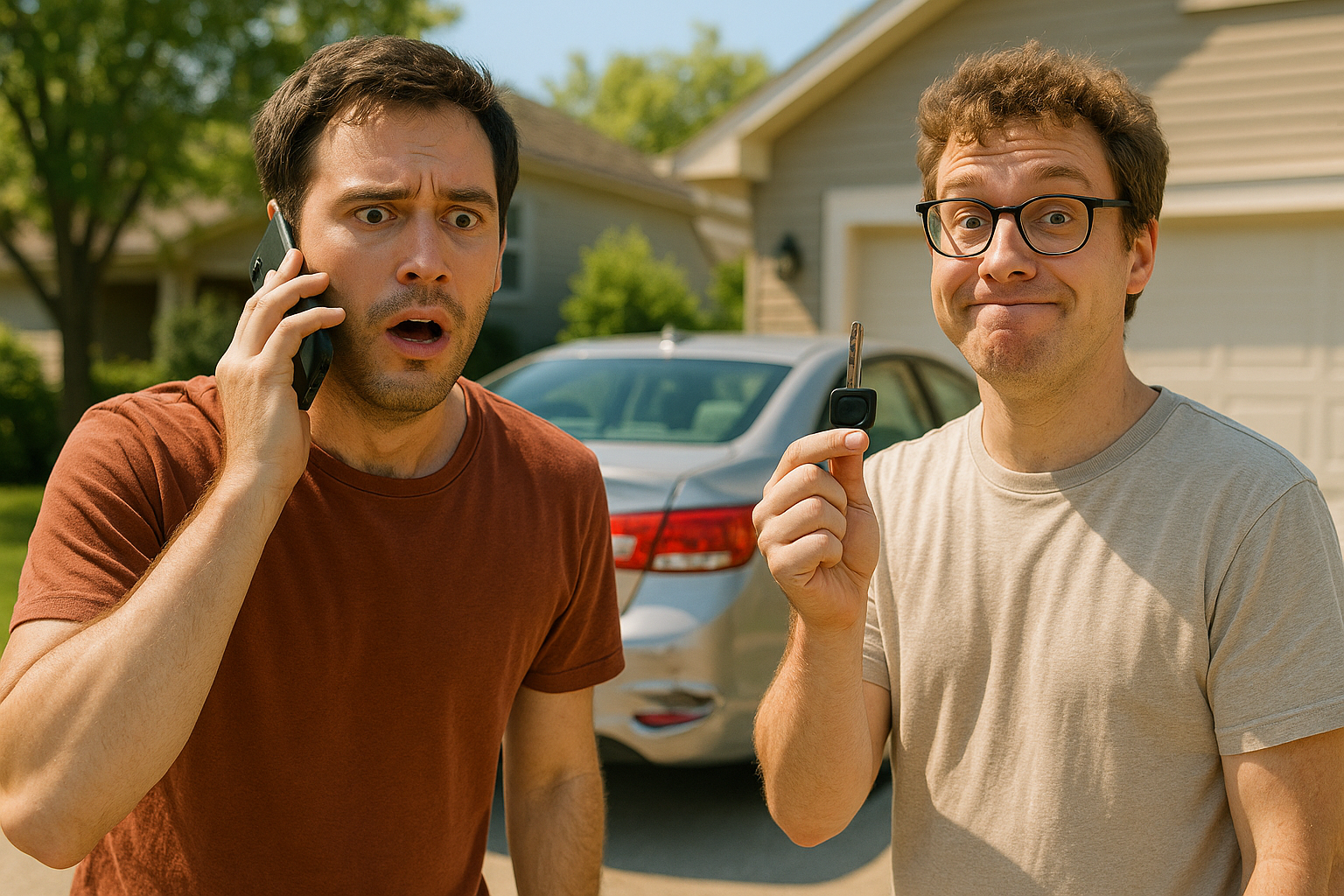
It's a question every North Carolina car owner dreads. You lent your car, and now there's been an accident. Your auto policy is a contract with specific rules about who is covered. This guide will help you understand those rules and avoid a financially devastating claim denial.
🧐 Common Scenarios: Who Was Driving?
The answer to whether you're covered depends entirely on who was behind the wheel. Let's break down the most common situations.
Scenario 1: Unlisted Household Member
Who this is: A teenage child, spouse, or roommate living with you but not on your policy.
Coverage Outcome: ❌ DENIED
Why? This is considered "Material Misrepresentation." A person who lives with you has regular access to your vehicles. By not listing them, you failed to disclose a known risk the insurer needed to evaluate and charge a premium for. This breaks the core of the insurance contract.
Scenario 2: Occasional Permissive User
Who this is: A neighbor or friend who borrowed your car for a one-time errand.
Coverage Outcome: ✅ LIKELY COVERED
Why? This is "Permissive Use." Your policy is designed to cover infrequent use by a non-resident driver who has your permission. As long as no other exclusions apply, your liability coverage should extend to them.
Scenario 3: Specifically Excluded Driver
Who this is: A person you formally excluded from your policy by signing an endorsement.
Coverage Outcome: ❌ DENIED
Why? This denial is absolute. A Named Driver Exclusion is a formal agreement that this specific person will not be covered under any circumstances. Giving them permission is irrelevant.
Scenario 4: Unlicensed or Impaired Driver
Who this is: Someone you let drive knowing they had no valid license or were impaired.
Coverage Outcome: ❌ DENIED
Why? This is called "Negligent Entrustment." The insurer will deny the claim, and you could be held personally liable in a lawsuit for putting a dangerous driver on the road.
💸 The Real Cost of a Denied Claim
A claim denial isn't a small setback—it's a financial crisis. A moderate accident could leave you personally responsible for over $100,000 in damages, repairs, and legal fees, versus a simple $500 deductible with a valid policy.
🛡️ Proactive Protection: Your Action Plan
Avoid this entire problem by managing your policy correctly. Follow these simple steps for ironclad coverage.
1. Conduct a "Household Driver Audit"
Create a complete, honest list of every person living in your home. Note their age and if they have a driver's license or permit. This includes spouses, partners, teenagers, adult children, college students who use your address, and roommates.
2. Review Your Policy's Declarations Page
This is the summary page at the front of your policy. Find the "Drivers" section and compare it against your audit list. Any licensed household member not on this page represents a major coverage gap.
3. Contact Your Agent Immediately
If you find a discrepancy, call or email your agent right away. You have options:
- Rate the Driver: Add them to the policy. Your premium will adjust, but you'll be covered.
- Exclude the Driver: If they will NEVER drive your cars, you can formally exclude them by signing a form. This is absolute—no coverage, even in an emergency.
- Note "Other Insurance": If a resident (like a roommate) has their own car and policy, disclose them to your insurer and provide proof of their coverage.
4. Communicate All Life Changes
Your policy isn't static. Notify your agent via email (to create a paper trail) whenever: a child gets a permit, a licensed driver moves in or out, a college student returns home, or your marital status changes.
⚖️ What If It's Too Late? Challenging a Denial
If you've already received a denial, you have options. The process is difficult, but there is a path to recourse.
Step 1: Demand a Written Explanation
The insurer must provide a formal denial letter stating the specific policy language or law they are using to deny your claim. This document is the foundation of your appeal.
Step 2: Use the Insurer's Internal Appeal Process
Formally appeal the decision in writing. Address each of their reasons for denial point-by-point and provide counter-evidence (e.g., a lease proving the driver lived elsewhere). Escalate to a manager if the initial appeal is rejected.
Step 3: File a Complaint with the NC Dept. of Insurance
If the internal appeal fails, file a free complaint online with the NC DOI. They will investigate to ensure the insurer followed all state laws and regulations. While they can't force payment, an official inquiry often prompts a higher-level review from the insurer.
Step 4: Seek Legal Counsel
Your final option is legal action. Consult an attorney specializing in insurance law. Be aware of North Carolina's three-year statute of limitations for personal injury lawsuits. An attorney can assess your case and determine if a lawsuit is viable.
© 2024 NC Driver Protect. This information is for educational purposes only and does not constitute legal or insurance advice.